
Breathe Easier: Allergy‑Friendly Rooms Built with Low‑Toxicity Natural Materials
Today we’re diving into low‑toxicity natural materials for allergy‑friendly rooms, sharing practical ways to cut irritants, support indoor air quality, and create calm spaces that truly feel restorative. Expect evidence‑guided choices, checklists, and real‑home stories to help you refresh bedrooms, nurseries, and work corners without harsh chemicals. Join the conversation by sharing what bothers your airways most, ask questions about specific products, and subscribe for new material spotlights, room makeovers, and seasonal maintenance routines that keep breathing effortless all year.
What’s Lurking Indoors and How Natural Choices Help
Indoor air can harbor volatile organic compounds from paints, sealers, foam cushions, and synthetic fabrics, alongside fine dust, pet dander, and moisture‑driven mold spores. Choosing natural alternatives isn’t about perfection; it’s about steadily lowering cumulative exposure. When materials breathe, finishes cure cleanly, and adhesives are minimal and carefully selected, rooms stay more stable across seasons. This approach pairs everyday practicality with scientific awareness, giving sensitive individuals a clear path to fewer irritants, gentler surfaces, and spaces that recover quickly after cleaning or seasonal changes.

Underfoot Choices That Let You Breathe
Floors dominate surface area and strongly influence air quality. Natural options can reduce emissions, cut static, and simplify routine maintenance. Solid wood with an oil or hardwax finish, cork with low‑tox binders, and carefully chosen wool rugs each address comfort and durability while limiting irritants. Pay attention to subfloor adhesives, underlay materials, and pads, because hidden layers often determine overall exposure. With a little planning, you can create a resilient, warm foundation that quietly supports cleaner air and comfortable barefoot mornings.

Mineral and Clay Paints with Honest Ingredients

Silicate, mineral, and clay paints rely on mineral binders rather than heavy solvent packages, creating durable, vapor‑permeable coatings with a soft, light‑diffusing finish. Because they physically bond to substrates, they often outlast latex alternatives and resist peeling. Confirm they are VOC‑compliant and check for preservatives if you have chemical sensitivities. Many readers report that rooms repainted with mineral coatings feel calm the very next day, especially when windows are cracked open and box fans move air gently across curing walls.
Limewash and Breathable Plasters that Regulate Humidity
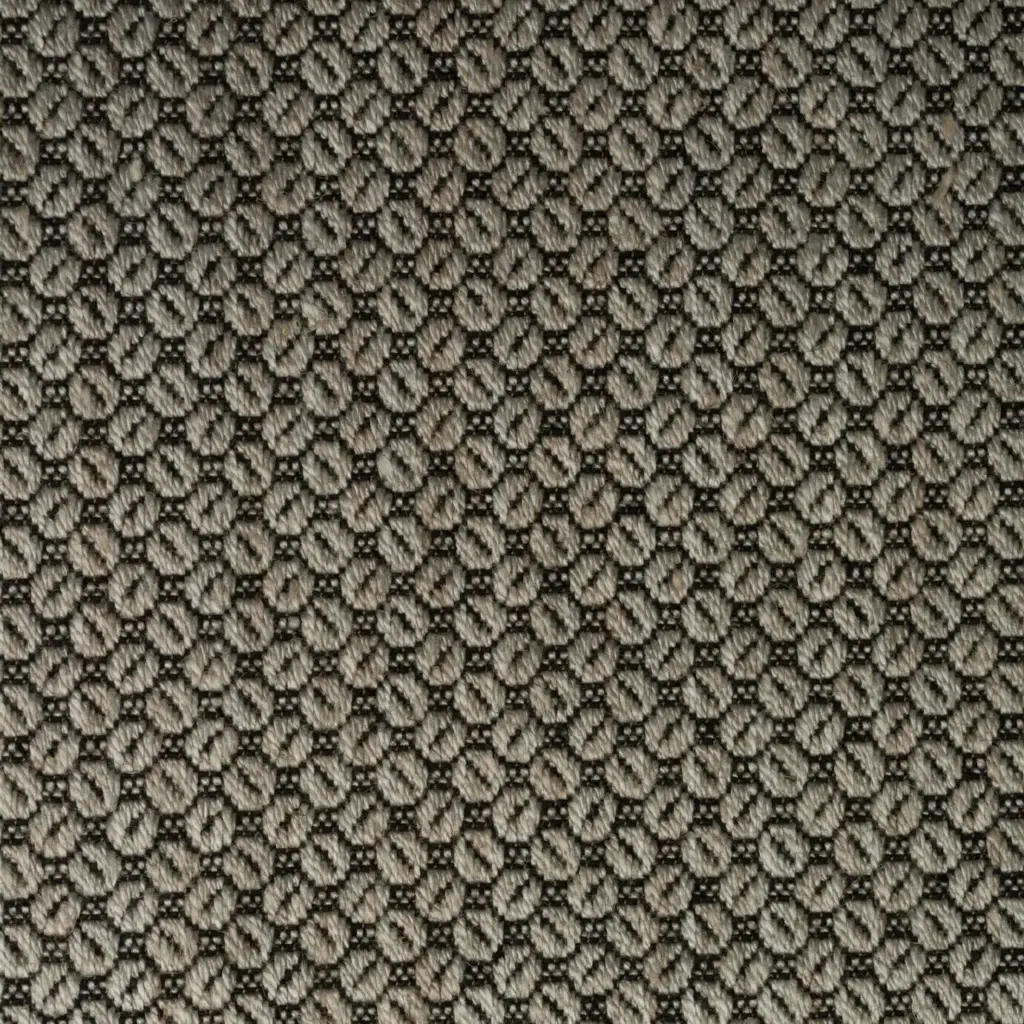
Limewash and clay plasters can soak up moisture peaks, then release humidity as rooms dry, helping maintain a comfortable band that discourages mold. Their mineral alkalinity naturally resists microbes, and the finish ages gracefully with subtle movement. Practice sample swatches first to understand absorbency and layering. If casein is used, confirm it suits household sensitivities and seal appropriately where splashes occur. The result is walls that feel tactile and grounded, with air that stays steadier through cooking, showers, and stormy weather.
Primers, Joint Compounds, and Adhesives Without the Guesswork

The quiet success of a low‑tox room hinges on hidden layers. Choose low‑emission joint compound, primer with transparent data sheets, and construction adhesives that avoid strong solvents. When possible, use mechanical fasteners over glues, and seek tapes rated for minimal residue. If wallpaper is essential, consider breathable, cellulose‑based options with starch pastes instead of aggressive synthetics. Careful sequencing—prime, cure, ventilate—prevents trapped moisture and reduces odor. These behind‑the‑scenes decisions often determine whether sensitive occupants sleep comfortably on night one or need several weeks.
Textiles and Bedding that Soothe, Not Irritate

Organic Cotton Percale and Thoughtful Encasements
GOTS‑certified cotton percale feels crisp, washes cleanly, and avoids formaldehyde‑based wrinkle treatments. For dust‑mite management, select encasements with tight pore sizes that still breathe—your skin and sinuses will thank you. Wash bedding weekly in hot water around 130°F to neutralize mites and allergens, then dry thoroughly. Skip fabric softeners and heavy fragrances, relying on extra rinses instead. Readers often report clearer mornings after switching to simple percale, particularly when pillows and mattresses are protected with breathable covers rather than crinkly plastic barriers.

Wool Duvets, Lanolin Sensitivities, and Smart Layering
Wool naturally wicks moisture and buffers temperature, helping sleepers stay comfortable across seasons. If lanolin sensitivities are present, choose thoroughly washed or encased options, or consider alpaca or down alternatives verified for low processing residues. Layer blankets so you can fine‑tune warmth without trapping humidity. Air wool items outdoors periodically to refresh fibers and release odors. Many families find that replacing polyester comforters with simple wool duvets reduces night sweats and morning congestion, especially when paired with breathable mattress toppers and cotton covers.

Curtains, Upholstery Fabrics, and Honest Hardware
Choose linen or cotton curtains without heavy backings; they move air gently and invite easy washing. For upholstery, look for wool, cotton, or blend fabrics on frames built without particleboard whenever possible. Avoid PFAS stain treatments; instead, spot‑clean promptly and use washable slipcovers. Hardware matters too—powder‑coated metal rods often outgas less than vinyl. One couple reported that replacing vinyl blackout liners with layered linen and a good shade solved morning light issues while dramatically cutting the plastic smell that previously lingered all day.
Furniture and Storage that Age Gracefully, Not Gassy
Well‑chosen furniture can dramatically lower exposures. Solid wood with low‑tox finishes beats composite panels laden with formaldehyde resins. Natural latex cushions, wool batting, and jute webbing avoid problematic foams and flame retardants. When composites are unavoidable, seek CARB Phase 2 or TSCA Title VI compliance and seal edges responsibly. Buying secondhand can also work; older pieces often off‑gassed long ago. With careful inspection, minimal adhesives, and breathable finishes, your rooms gain character while quietly protecting sensitive lungs and skin.

Solid Wood Frames and Transparent Finishes
Prioritize solid hardwood frames joined mechanically and finished with plant‑based oils or shellac cut with ethanol free of denaturants you react to. Request full ingredient disclosures and curing windows. When replacing a veneered bookcase that smelled persistently, one reader chose unfinished maple, applied a low‑odor oil, and let it cure with cross‑ventilation for a week; the result was zero morning headaches and an inviting, warm tone that improved naturally with time and gentle maintenance.
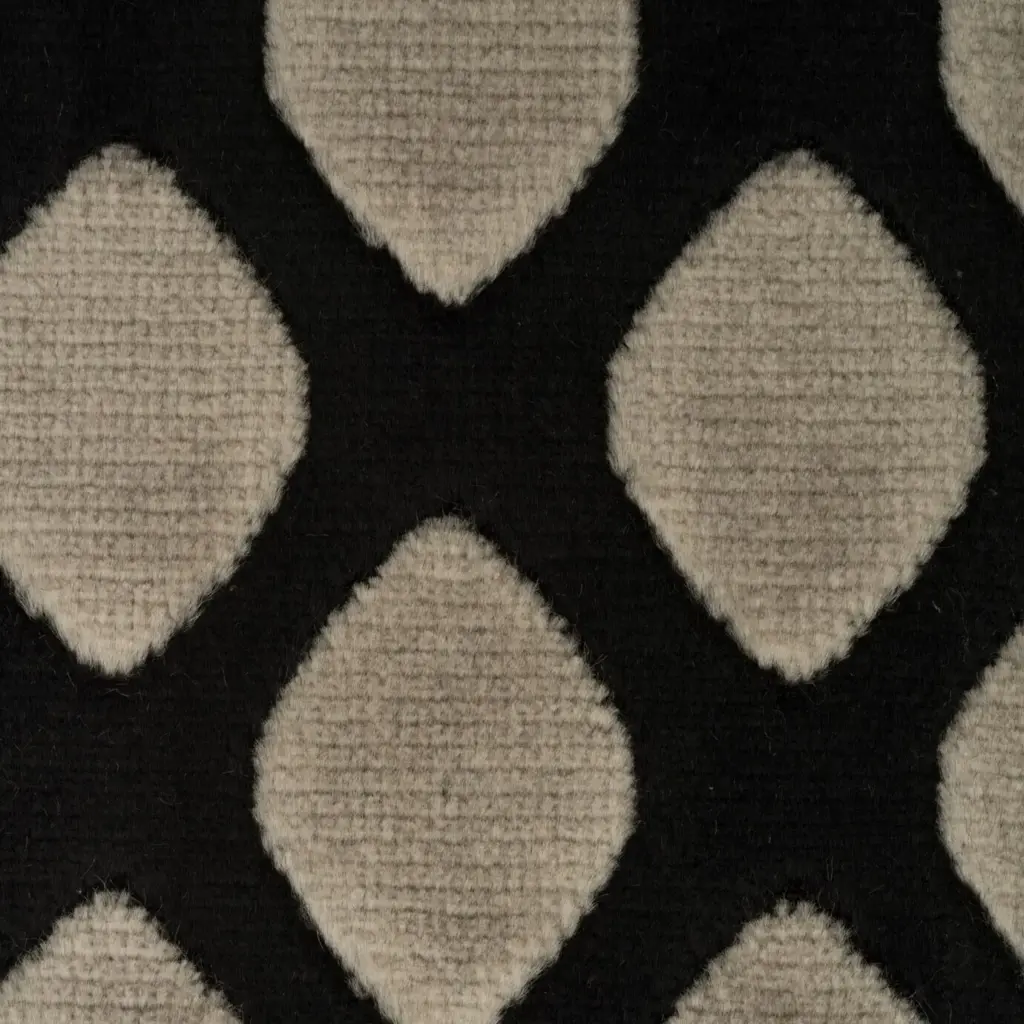
Upholstery Without Mystery Foams
Polyurethane cushions can emit aldehydes and other VOCs, especially when new. Consider natural latex cores wrapped in wool batting, encased in tightly woven cotton to reduce particle shedding. Verify that latex content suits household sensitivities. Skip flame retardants by choosing designs compliant through barrier fabrics or wool layers. Beware “soy foam” marketing—often it’s still mostly polyurethane. Ask manufacturers about adhesives used in cushion assemblies and choose mechanical closures when available. Comfort improves, odors fade faster, and cleaning becomes simpler with fewer chemical residues.
Cleaning and Daily Habits that Support Clear Breathing
Even the best material choices need supportive routines. Gentle, fragrance‑free cleaners prevent residue buildup that can spark reactions. HEPA vacuuming, damp dusting, and steady humidity control keep particles from recirculating. Filter upgrades make HVAC systems active allies. Laundry choices matter too; minimal formulations and extra rinses keep textiles kind to skin and airways. These small, repeatable habits ensure your low‑tox investments stay effective, turning clean air into a daily experience rather than a lucky streak after a deep weekend overhaul.
Use a sealed HEPA vacuum weekly, focusing on baseboards, under beds, and textile edges where dust gathers. Follow with damp microfiber cloths to prevent resuspension. Wash or replace filters on schedule and consider a small, quiet air purifier for sleeping hours. Shoes‑off households track fewer particulates onto floors and rugs. With steady routines, people often notice reduced morning congestion and fewer afternoon slumps, confirming that even simple, consistent steps can dramatically improve how rooms feel, smell, and support everyday focus.
Choose fragrance‑free detergents, skip softeners, and add an extra rinse to remove surfactants that can irritate sinuses and skin. Hot water cycles around 130°F help control dust mites in bedding. For softness, try dryer balls or low‑heat line drying. Test new products in small loads before committing. Families frequently report calmer skin and quieter nights after simplifying laundry. Keep hampers breathable and wash pillowcases often; these high‑contact items accumulate oils and allergens quickly, making small, regular care surprisingly impactful for sensitive sleepers.
Maintain indoor humidity between 40 and 50 percent using dehumidifiers, smart sensors, and bathroom fans with timers. Upgrade HVAC filters to MERV 11–13 if the system allows, replacing them on schedule. Ventilate during and after painting, cleaning, or cooking, using cross‑breezes when weather cooperates. In tight homes, brief, strategic airing reduces peaks without losing comfort. These background systems, tuned thoughtfully, keep particles and odors low, supporting clear breathing and making rooms feel freshly washed even days after the last cleaning session.

Room‑by‑Room Transformations and Real‑Life Wins
Applying these ideas becomes easier when you see practical examples. Bedrooms favor breathable textiles, quiet floors, and stable humidity. Nurseries thrive with simple, solid furniture and minimal adhesives. Home offices benefit from mineral paints and tidy cable management to reduce dust. Entryways set the tone with shoe storage and quick cleaning tools. Each space can evolve gently, guided by honest materials and steady routines. Tell us where you’ll start, ask for product comparisons, and subscribe for step‑by‑step makeovers and seasonal refresh checklists.

All Rights Reserved.