
Make Every Room Feel Natural

Today we’re exploring room-by-room natural material swaps, turning everyday choices into tactile, beautiful upgrades that feel good to use and easy to maintain. Expect practical ideas, small stories from real homes, and simple steps you can try this week. Share your favorite swap in the comments and inspire someone else to begin.

Kitchen Staples, Reimagined with Honest Ingredients

Cookware that Ages Gracefully

Choose cast iron, carbon steel, and stainless steel for reliable heat and simple maintenance, avoiding coatings that can degrade under high temperatures. A well-seasoned skillet becomes naturally nonstick and practically family heirloom material. I still use my grandmother’s Dutch oven, its enamel nicked but heartening, proof that good tools invite daily cooking rather than occasional ceremony.

Containers and Wraps that Respect Food

Switch plastic tubs for glass jars and stainless containers, which don’t hold odors or stains and are easy to sanitize. Beeswax wraps and linen bowl covers protect produce without crinkly clutter. Label jars with a grease pencil and you’ll actually see leftovers, reducing waste. Watch for melamine-laced “bamboo” ware; choose solid wood or true bamboo instead.

Prep Tools and Surfaces with Real Character

Opt for hardwood cutting boards, natural fiber dish brushes, and linen or cotton towels that dry quickly and last. A board oiled with food-safe mineral or walnut oil resists warping and invites regular care. Replace disposable paper with sturdy cloths and you’ll notice fewer bins to empty, cleaner counters, and a quieter, calmer prep rhythm at mealtimes.

Living Room Comfort without Compromise
Gathering spaces deserve breathable fibers, sturdy frames, and finishes that don’t off-gas into the place you unwind. Subtle material choices add up: wool underfoot, solid wood you can repair, and soft lighting that makes evenings gentler. You might notice less static, fewer synthetic smells, and textures that feel welcoming to hands, feet, and guests alike.

Rugs and Flooring that Breathe

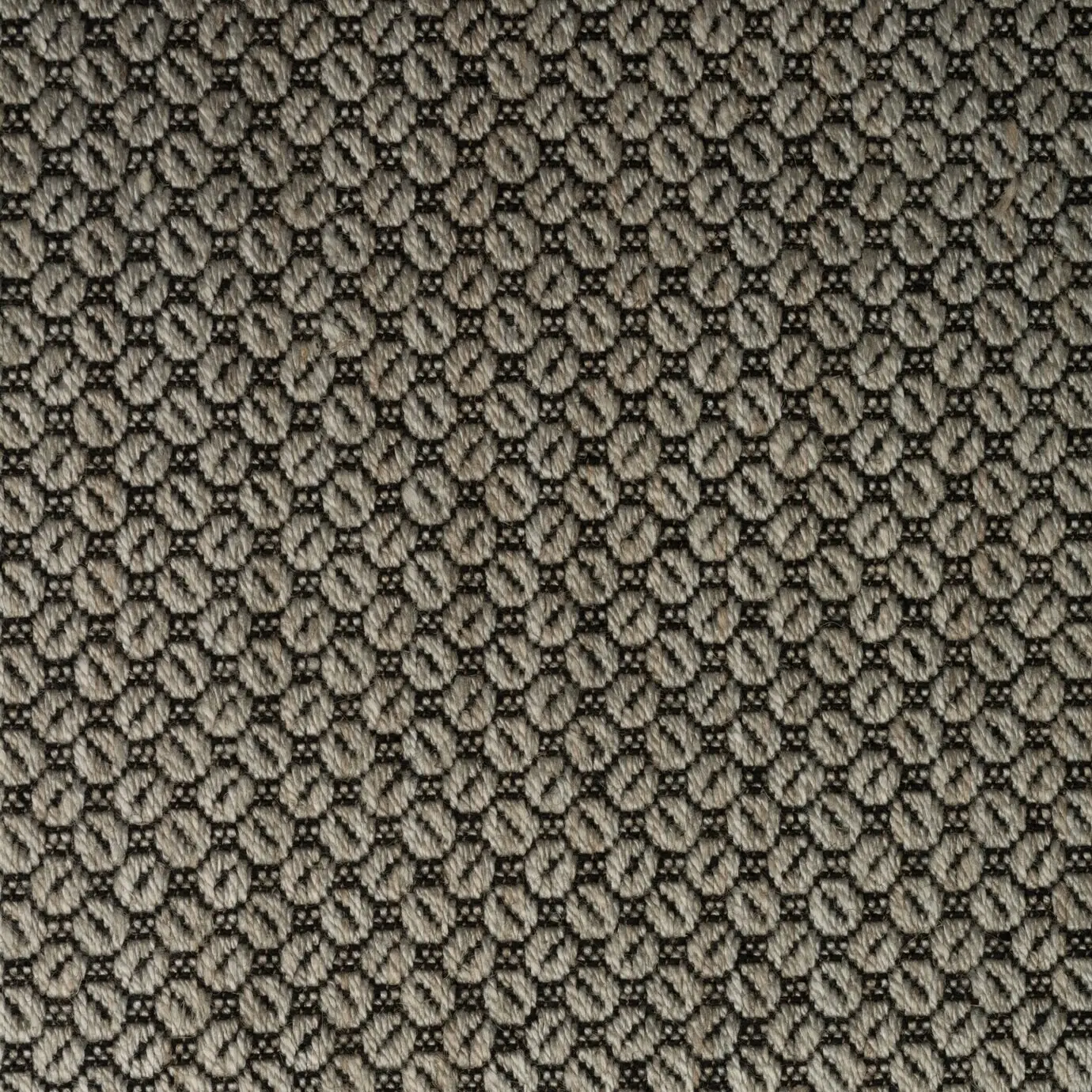
Consider wool, jute, or sisal rugs backed with natural latex rather than synthetic glues. They handle foot traffic, insulate sound, and can be spot-cleaned with mild soap. A small vintage wool runner in my hallway eliminated the plastic smell new synthetics often carry, and it now feels pleasantly springy underfoot during early-morning coffee walks.

Furniture Built to Last and Repair

Look for solid wood frames with replaceable cushions covered in linen, cotton, or leather tanned with responsible methods. Avoid thin veneers over pressboard that swell and crack. A coffee table finished with plant-based oil invites light sanding and re-oiling after scuffs, turning maintenance into a quick ritual rather than a replacement decision that strains budgets and landfills.

Air, Light, and Scent that Feel Like Outside

Open windows when weather allows, layer warm lamps with fabric or paper shades, and choose beeswax candles for a cleaner burn than paraffin. Skip artificial sprays and simmer orange peels, cloves, or rosemary for a gentle aroma. Small rituals like these make the room feel aired out, familiar, and safe for deep reading or family board games.

Restorative Sleep through Natural Textiles

Choose linen sheets for moisture management, organic cotton percale for crisp coolness, and wool or down duvets for balanced warmth. Natural latex or wool pillows maintain loft without synthetic crinkle sounds. A friend with lifelong night sweats swapped polyester for linen and reported comfort through a heatwave, washing less often because the fabric stayed noticeably fresher between changes.
Linen or cotton drapes lined with cotton sateen soften glare, regulate temperature, and avoid the plasticky feel of coated blackout curtains. Wooden blinds or bamboo shades bring texture and adjustability. Avoid PVC where possible. The morning light that filters through woven fibers is kinder on sleepy eyes, and evening privacy feels tactile, layered, and reassuring rather than sealed shut.
Swap plastic bins for woven baskets, solid wood dressers, and cotton garment bags. Cedar blocks and sachets of lavender help deter moths without harsh fumes. Label shelves instead of stacking deep tubs; you’ll wear what you can see. Over time, fading dyes and lingering odors diminish, and the closet smells like wood and clean fabric rather than packaging.

Simple Rituals in a Tactile Bathroom

Water, steam, and daily routines meet materials head-on here. Natural fibers and durable metals resist a damp environment while feeling comfortable against skin. Refill-friendly containers simplify the look, and solid bars reduce clutter. The space becomes easier to clean, easier on your senses, and more supportive of small care habits that add up across busy weeks.

Laundry and Cleaning that Respect Fibers and Water

Detergents, Drying, and Care with Fewer Residues

Fragrance-free powder tends to rinse cleanly and arrives in recyclable packaging. Wool dryer balls speed drying and soften without coatings. If you dry outdoors, sunlight naturally brightens whites. For delicates, use a basin and gentle soap flakes. These rituals extend fabric life, reduce pilling, and keep your washing machine fresher between deep cleans with hot water and vinegar.

Tools that Outlast the Chore List

Replace plastic scrubbers with copper cloths, coconut fiber brushes, and cellulose or loofah sponges you can compost when worn. A wooden broom with natural bristles sweeps quietly and effectively. Keep a simple caddy so tools dry between uses. The sound and feel of sturdy, well-made tools make a surprisingly big difference when motivation dips on busy evenings.

Stain Solutions from Pantry and Garden

Treat stains with cool water first, then try baking soda, salt, oxygen-based bleach, or a dash of diluted white vinegar where appropriate. Lemon sun-bleaches linen naturally. Pre-treat collars with castile soap and a soft brush. Document what works in a small notebook by the washer. Sharing your favorite tricks helps others rescue garments rather than replace them.

Sleep Surfaces Free from Harsh Additives

Select a solid wood crib finished with plant-based oils, and a mattress made from natural latex, cotton, and wool, with certifications that align with your standards. Organic cotton sheets and lightweight wool blankets regulate temperature well. The absence of sharp chemical odors is immediately noticeable, making late-night feedings a little gentler for caregivers and babies alike.

Playthings that Invite Imagination

Unfinished or lightly finished wood blocks, fabric dolls, and stainless or enamel tea sets outlast trends and encourage open-ended play. Beeswax crayons glide smoothly and smell faintly of honey. Store toys in woven baskets at child height to teach tidy habits. Fewer, better materials reduce visual noise and help focus, especially after energetic afternoons at the park.
Xezuxeturalevozozepi
Privacy Overview

This website uses cookies so that we can provide you with the best user experience possible. Cookie information is stored in your browser and performs functions such as recognising you when you return to our website and helping our team to understand which sections of the website you find most interesting and useful.